
Memcached Runtime Events and Cache Operations Logging
Capture daemon activity, evictions, connection behavior, failures, and memory signals across distributed Memcached environments in real time.
Monitor Memcached logs to troubleshoot cache behavior and runtime issues
Analyze Memcached startup logs
Inspect Memcached startup log entries to detect configuration errors, memory allocation failures, port binding issues, and daemon initialization problems.
Track cache eviction events
Monitor Memcached log messages related to item evictions, slab rebalancing, and memory pressure to understand cache churn and hit ratio degradation.
Detect protocol and command errors
Capture Memcached log entries generated by malformed requests, unsupported commands, protocol mismatches, and client-side misuse.
Monitor connection lifecycle issues
Analyze logs for connection drops, client disconnects, socket errors, and max connection limit breaches affecting cache availability.
Identify memory fragmentation warnings
Track Memcached logs related to slab allocation inefficiencies and memory fragmentation that can reduce effective cache utilization.
Observe thread and worker behavior
Review Memcached log output for worker thread activity, event loop warnings, and thread contention impacting request handling.
Track runtime warnings and crashes
Capture Memcached warnings, assertion failures, and crash-related log entries to identify stability risks in production environments.
Correlate cache and application logs
Link Memcached log events with application logs to trace cache misses, stale data issues, and request latency back to cache-layer behavior.
Cache Operations and Key Activity
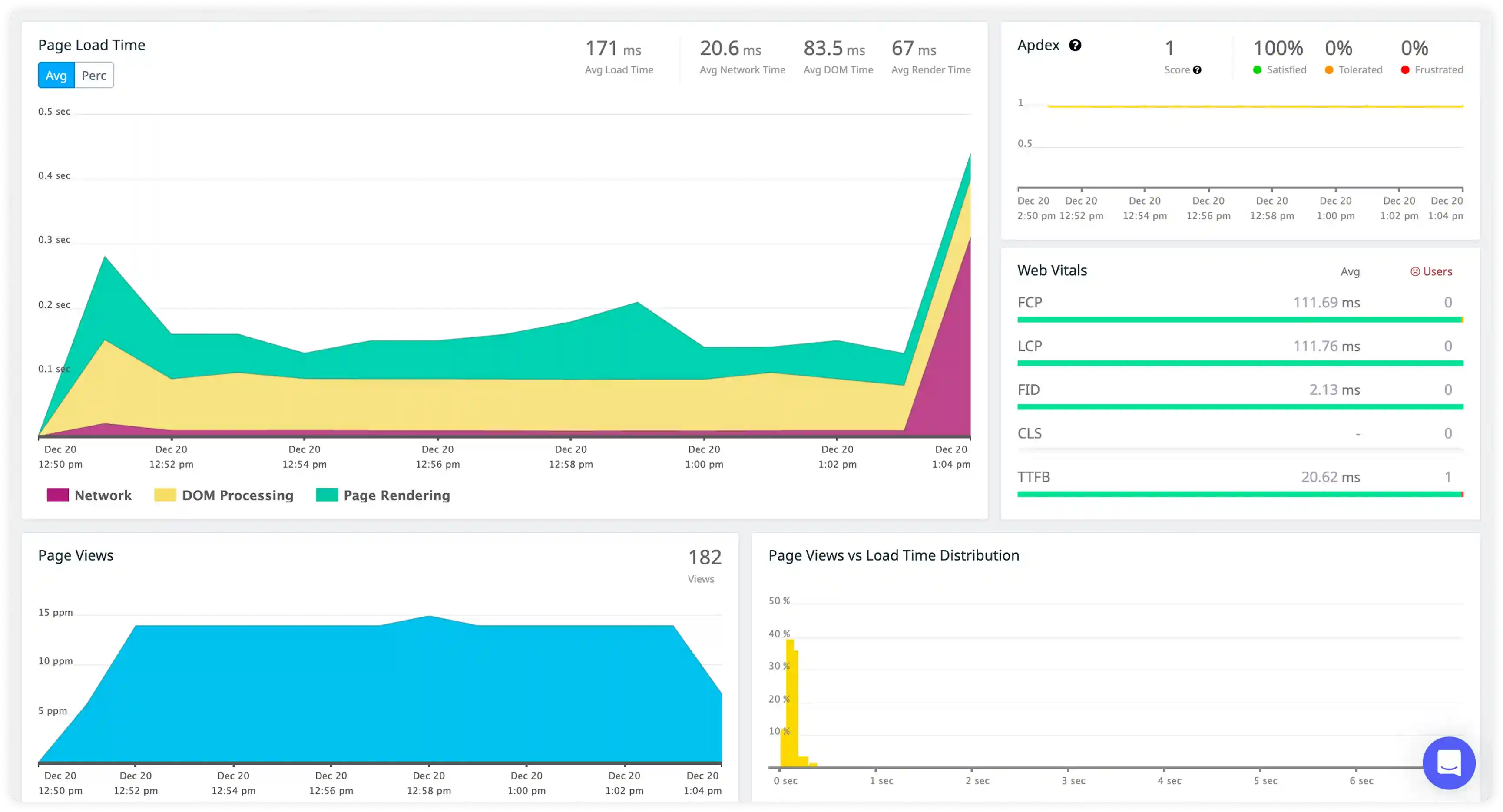
- Monitor Memcached log events for get, set, delete, increment, and eviction operations to understand cache workload behavior and key access patterns.
- Correlate cache requests with application traffic and session activity to identify read-heavy and write-heavy execution flows.
- Identify failed cache operations, dropped requests, and key expiration events impacting application response delivery.
- Detect irregular or inefficient key access behavior that reduces cache efficiency and overall application performance.
Cluster and Node Behavior
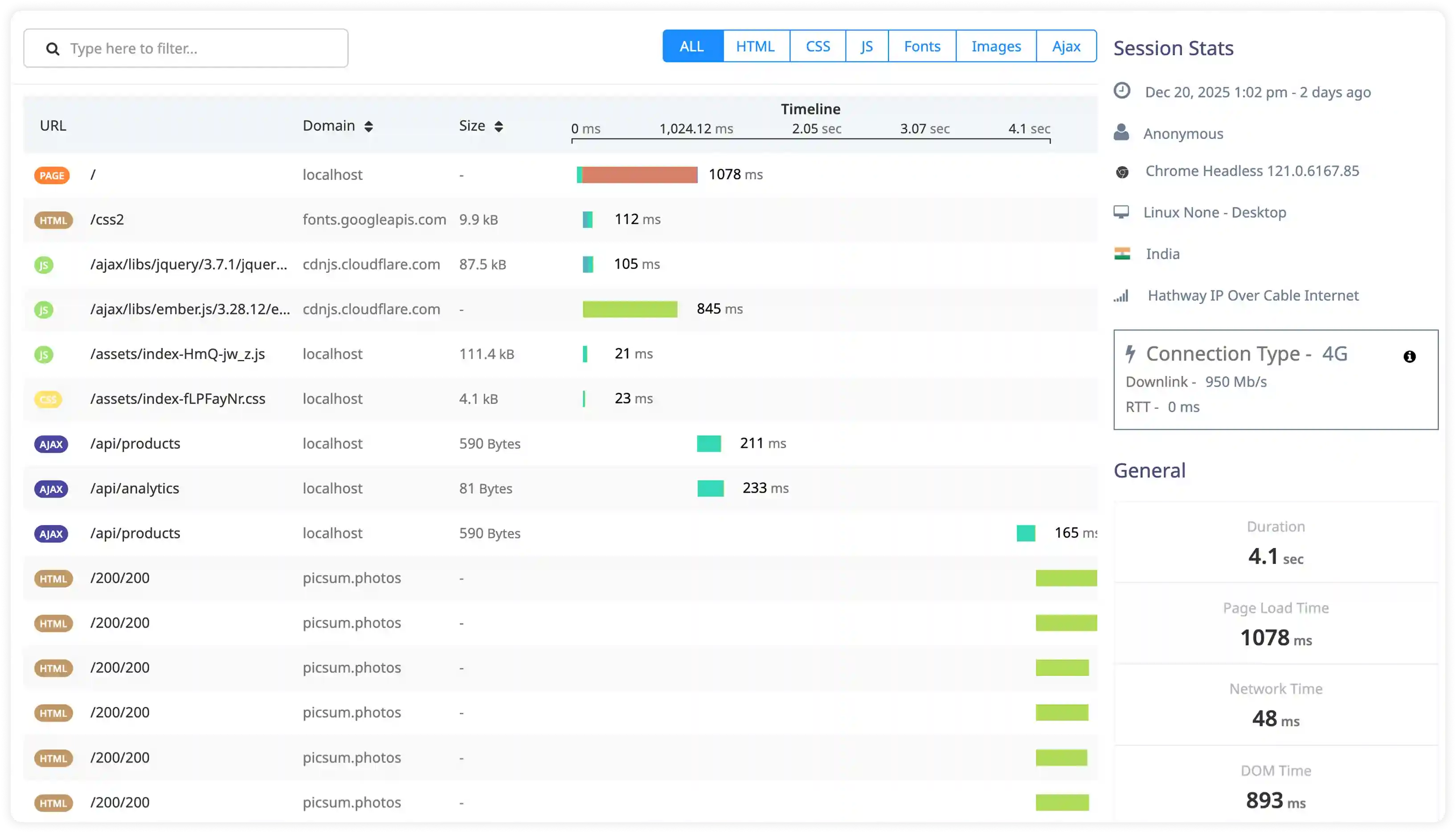
- Capture node-level log activity, connection handling, and distributed cache communication across Memcached clusters.
- Correlate node availability, request routing, and client connection patterns with workload spikes and infrastructure conditions.
- Identify node failures, connection saturation, and uneven request distribution affecting cache stability.
- Detect operational risks that threaten cache reliability and service continuity.
Performance and Memory Utilization Signals
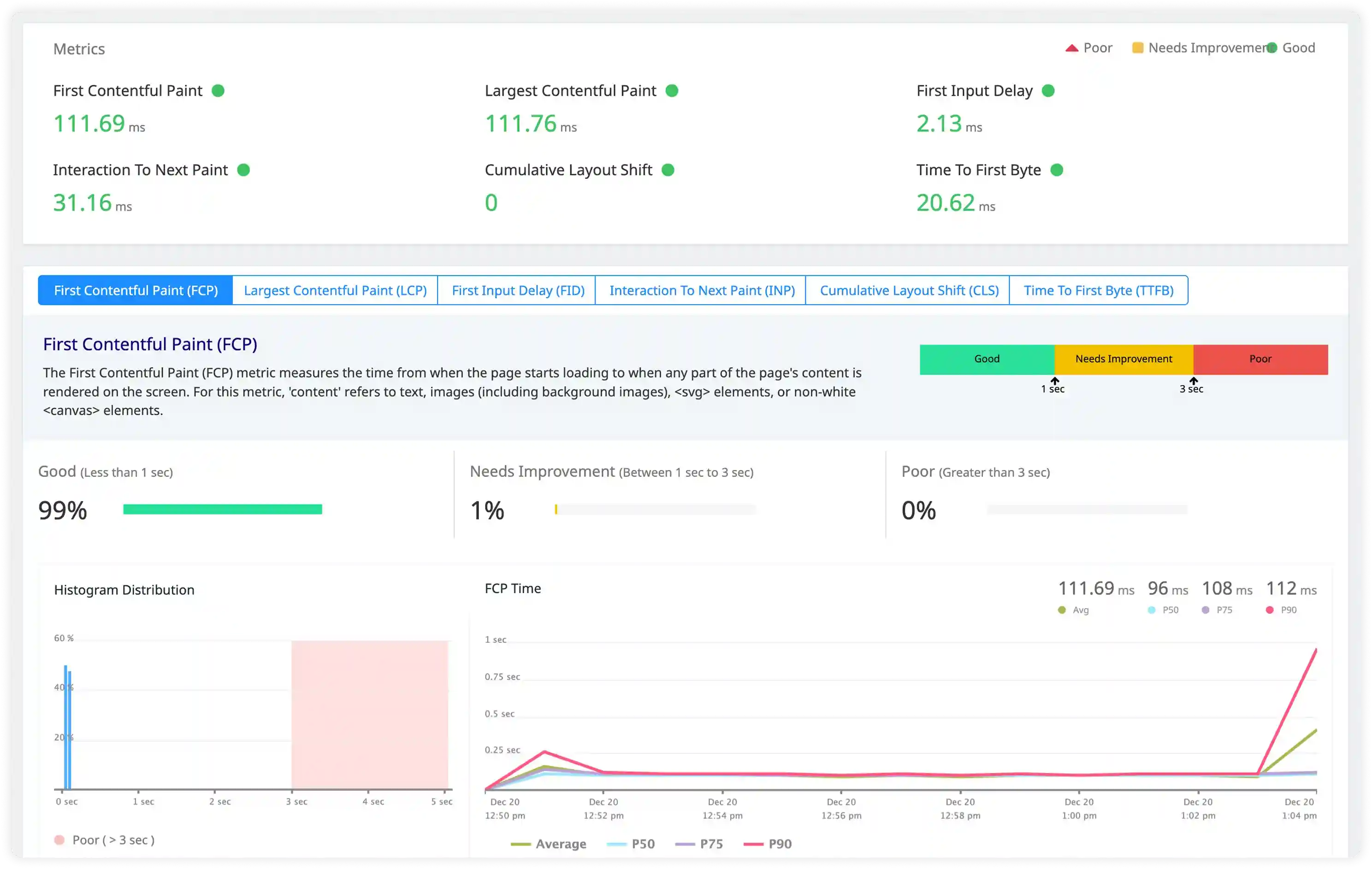
- Analyze memory allocation logs, eviction events, and slab rebalancing activity influencing cache performance.
- Correlate object size distribution, hit–miss ratios, and cache churn with application workload characteristics.
- Identify memory pressure, inefficient caching strategies, and resource contention increasing request latency.
- Detect performance degradation through abnormal eviction rates and irregular request timing patterns.
Security and Access Monitoring
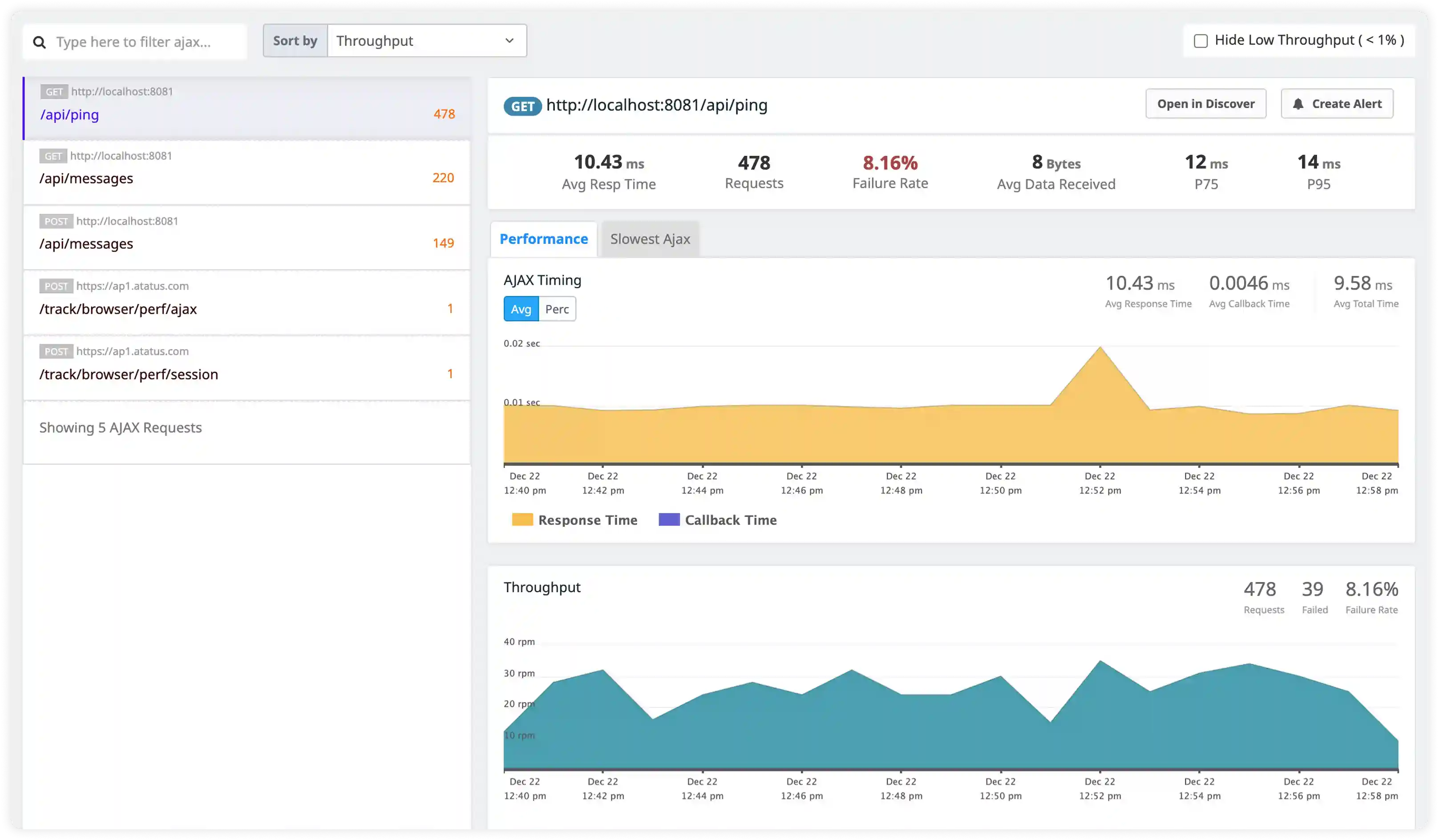
- Track connection attempts, abnormal command usage, and unauthorized access patterns captured in Memcached logs.
- Identify misuse scenarios, exposure risks, and unexpected access sources impacting cache integrity.
- Correlate cache access logs with application and infrastructure activity for incident investigation.
- Detect security and reliability risks affecting Memcached environments.
Why teams choose Atatus for Memcached logs monitoring
Cache activity visibility
Atatus tracks get, set, delete, eviction, and key expiration events to understand real cache workload behavior.
Request-level correlation
Atatus connects cache operations with application traffic and session activity to reveal access patterns.
Cluster behavior insights
Atatus captures node-level logs, connection handling, and request distribution across Memcached clusters.
Performance signal detection
Atatus analyzes eviction events, slab activity, and memory usage to uncover cache inefficiencies.
Memory pressure visibility
Atatus correlates churn, hit–miss ratios, and allocation patterns to detect resource contention early.
Security monitoring
Atatus identifies abnormal access patterns and risky command activity from Memcached logs.
Unified Observability for Every Engineering Team
Atatus adapts to how engineering teams work across development, operations, and reliability.
Developers
Trace requests, debug errors, and identify performance issues at the code level with clear context.
DevOps
Track deployments, monitor infrastructure impact, and understand how releases affect application stability.
Release Engineer
Measure service health, latency, and error rates to maintain reliability and reduce production risk.