Django Performance Monitoring
Get end-to-end visibility into your Django performance with application monitoring tools. Gain insightful metrics on performance bottlenecks with Python monitoring to optimize your application.
Why Django Performance Degrades Unexpectedly?
ORM Execution Opacity
Complex query generation and lazy evaluation obscure actual database behavior, making runtime cost hard to predict under load.
Request Handling Pipeline
Requests flow through a processing pipeline that hides where time and resources are actually consumed.
Synchronous Blocking Paths
Blocking I/O and CPU-heavy logic stall request threads silently, causing throughput collapse during traffic spikes.
Memory Footprint Creep
Object retention and cache growth increase gradually. Memory pressure builds without clear thresholds or early warnings.
Slow Failure Attribution
When errors or latency emerge, isolating the responsible execution segment takes too long during incidents.
Scale Exposes Assumptions
Architectural choices that worked at low traffic fail unpredictably as concurrency and data volume increase.
Post Incident Debugging
Teams investigate after user impact. Root causes remain ambiguous, increasing the likelihood of repeat failures.
Lifecycle Hook Complexity
Request handling passes through multiple lifecycle hooks, obscuring where execution time and resources are actually consumed.
Complete Performance Visibility for
Django Applications
Real-time observability for Django workloads that helps teams understand request behavior, optimize performance, and resolve production issues faster.
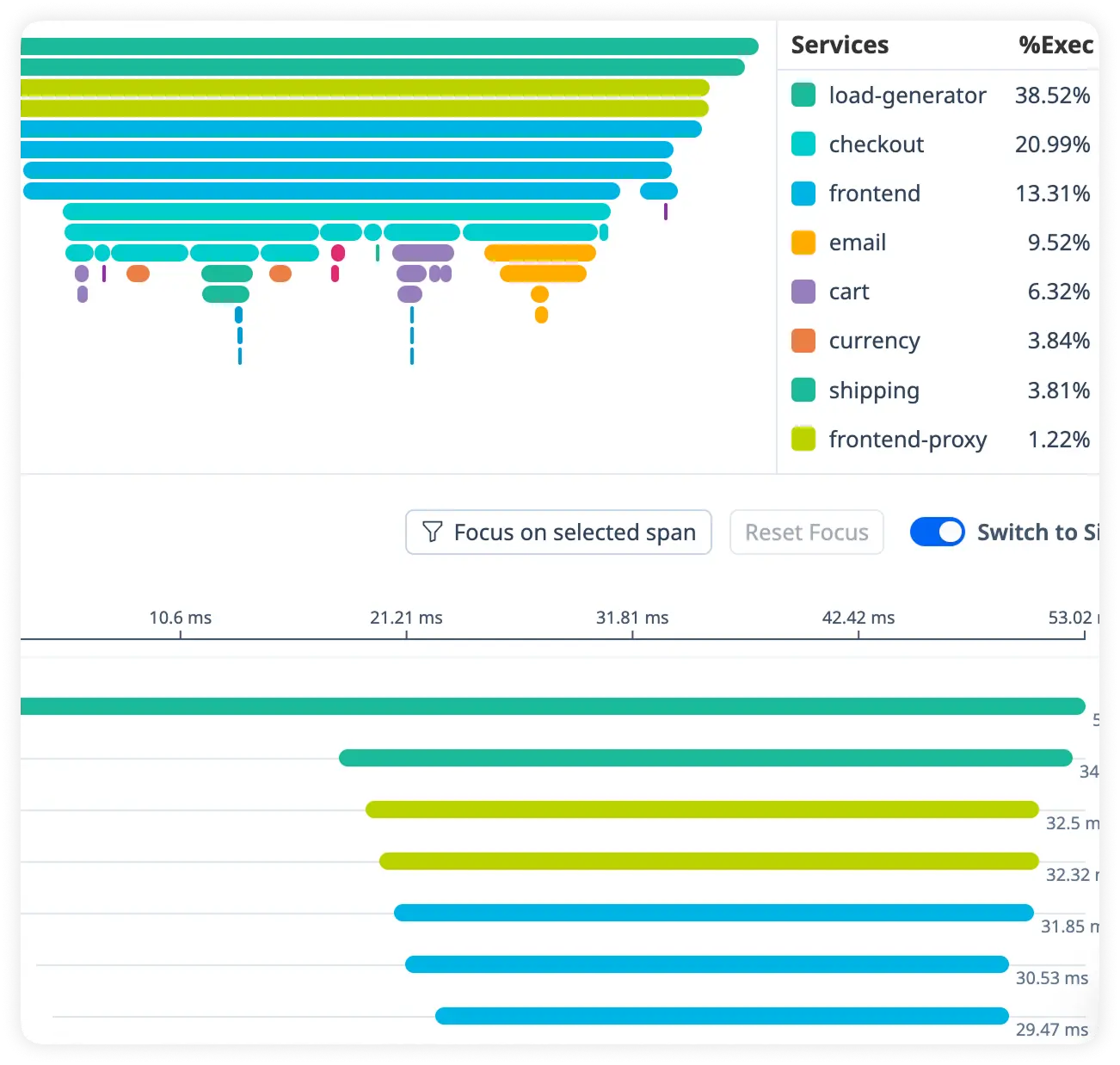
Detailed Request Duration Breakdown
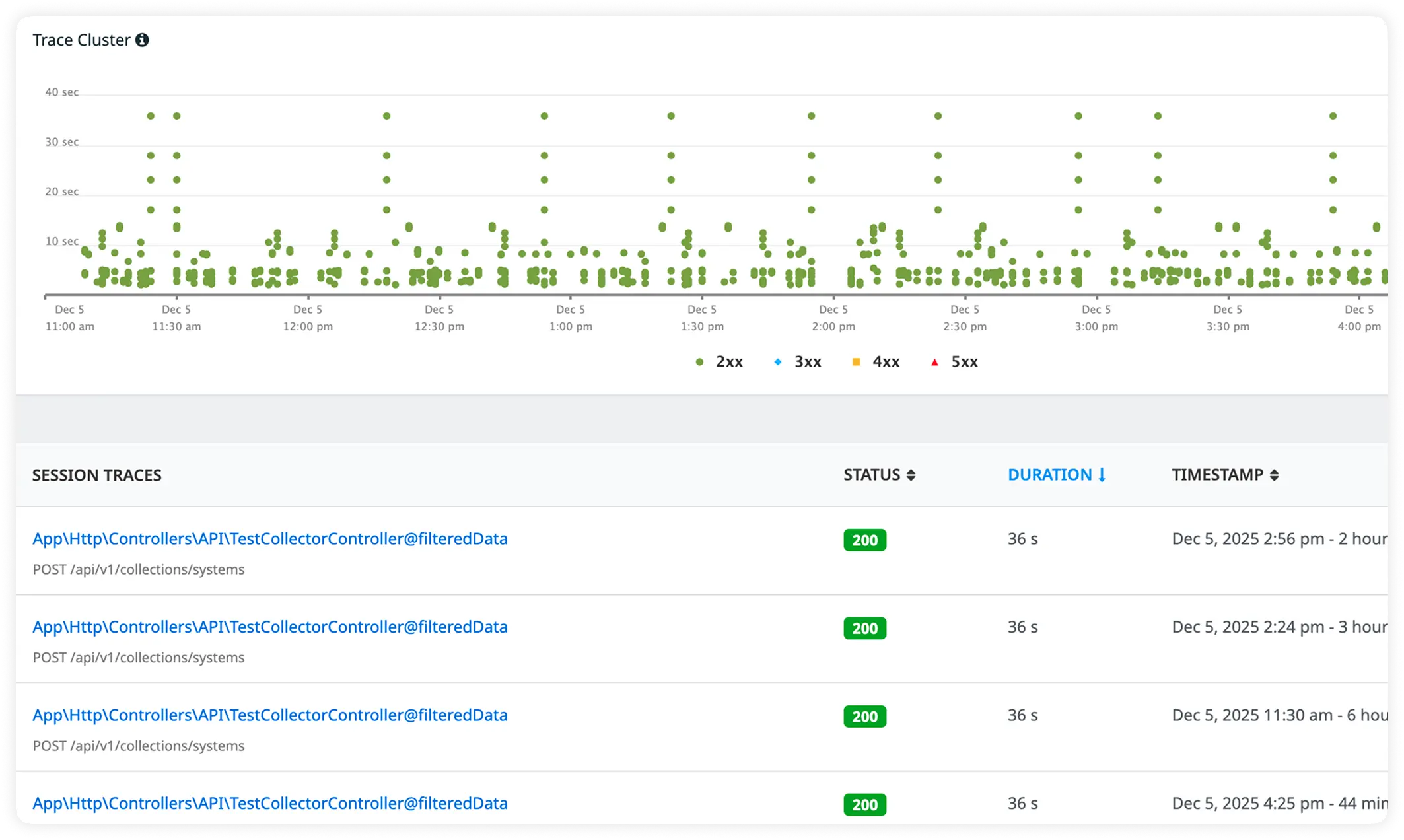
Track how long each request takes across middleware, views, and internal processing layers. Quickly uncover slow execution paths affecting response times.
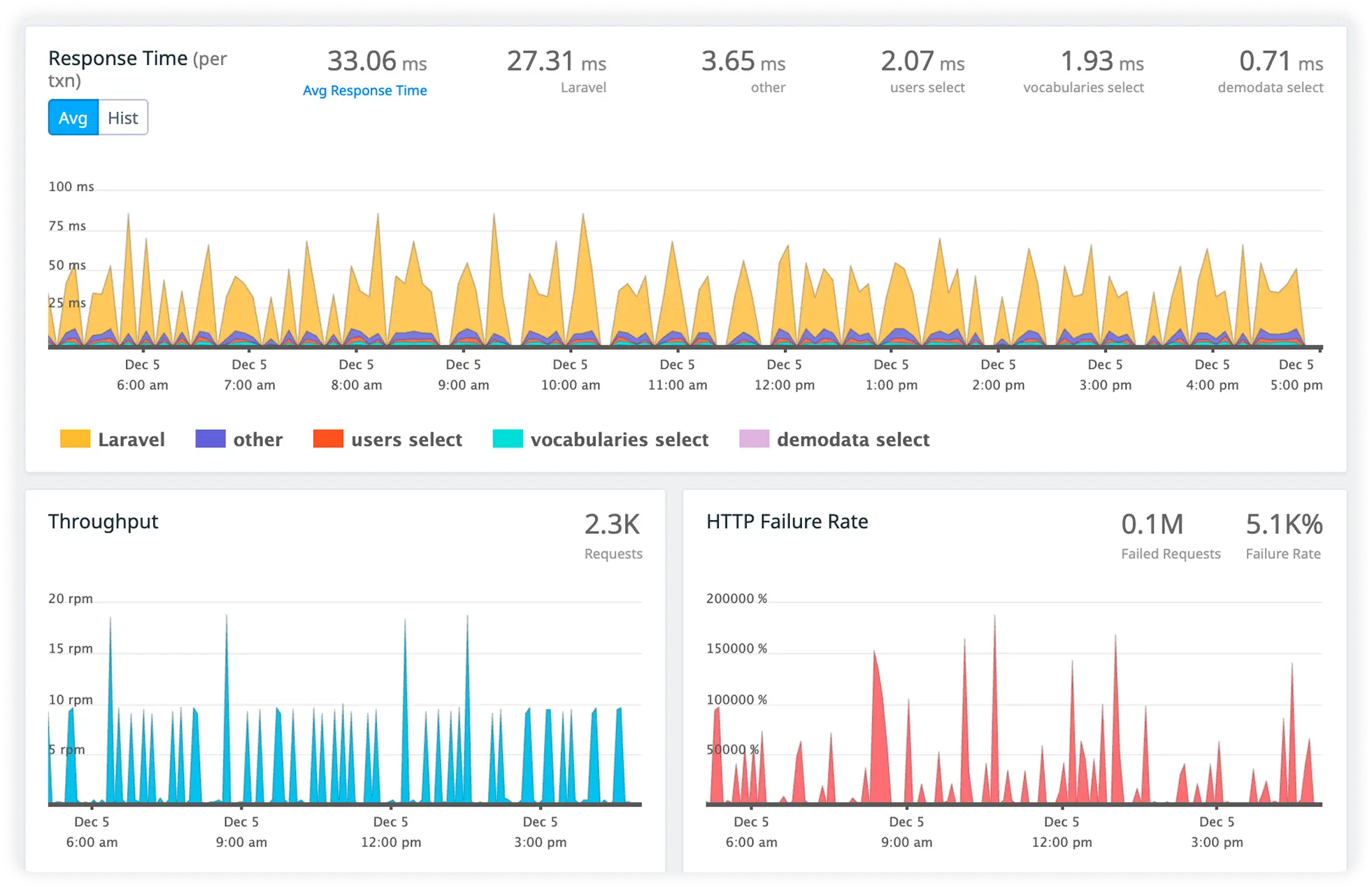
Actionable ORM Query Cost Insight
Monitor database query execution time and load in real time through Django’s ORM. Eliminate inefficient queries that slow application performance.
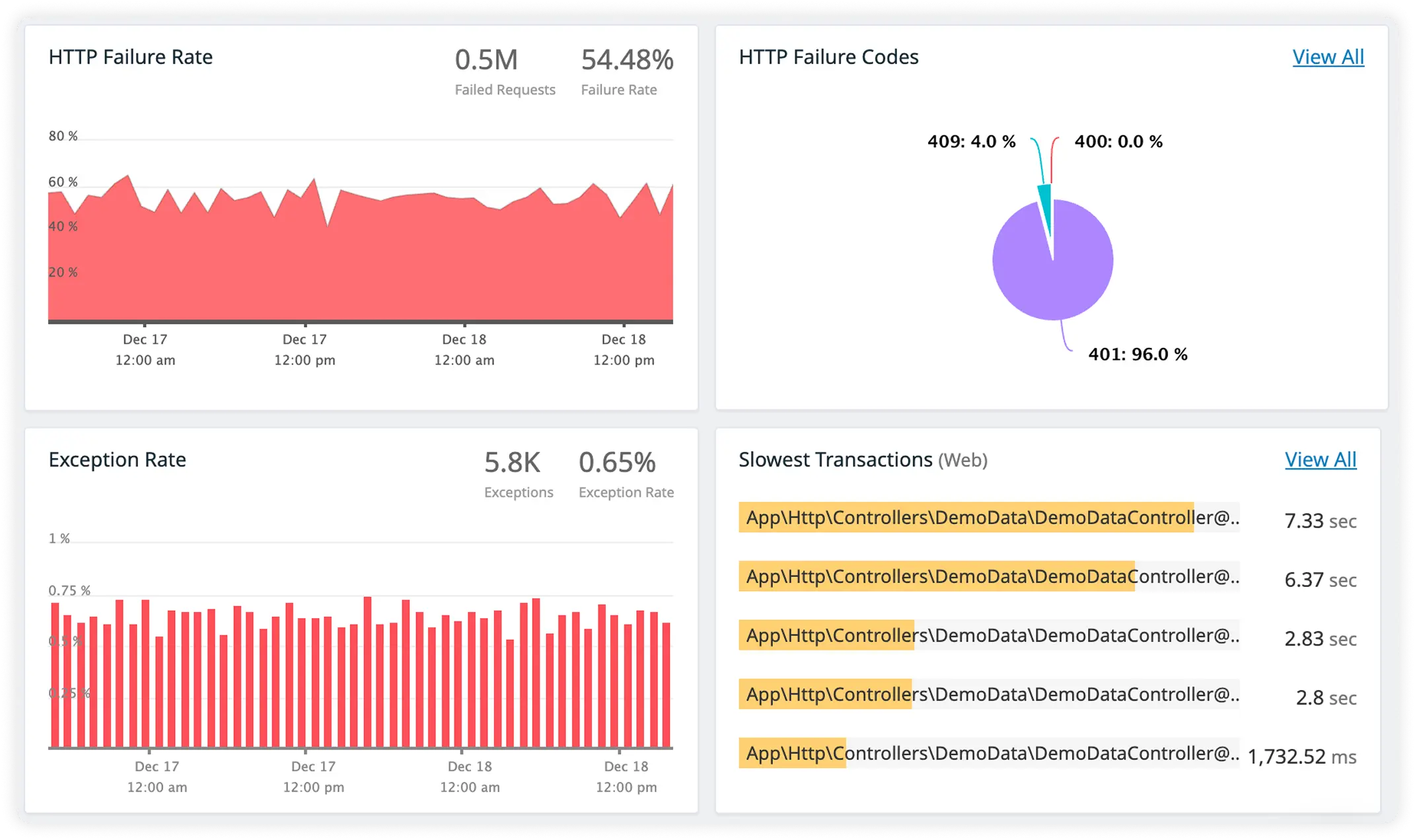
Understand Cache Impact Visibility
Measure how caching layers affect request speed and system load. Identify cache misses and performance gaps impacting responsiveness.
External Service Timing with Trace-Correlated Metrics
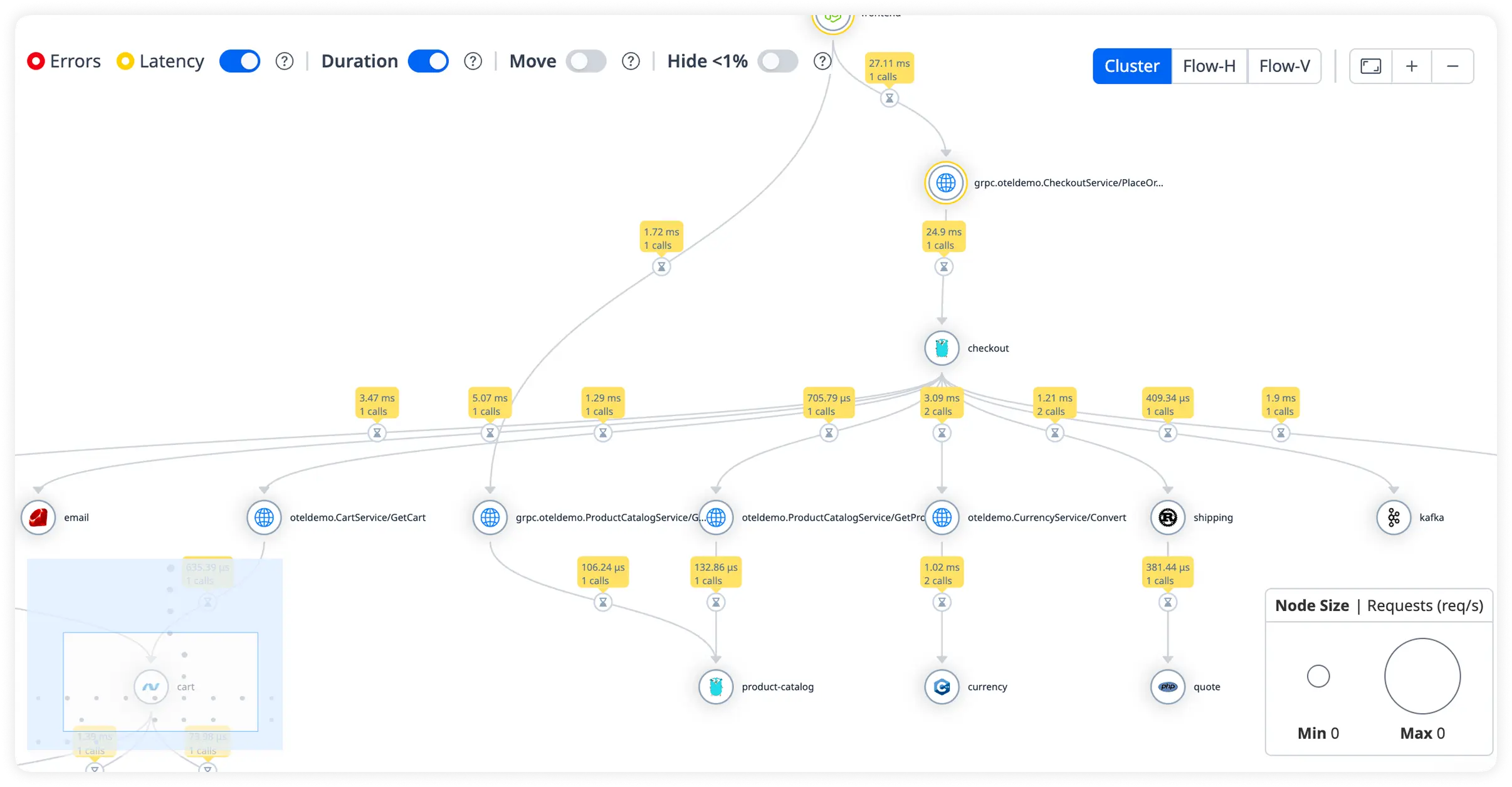
Track response times for third-party APIs while correlating metrics with request traces. Understand how external dependencies influence overall application performance.
Why Teams Choose Atatus?
Engineering teams choose Atatus when Django systems evolve into business-critical infrastructure. It supports how Django applications behave under real concurrency, load, and failure conditions.
Clear Runtime Grounding
Teams gain an accurate understanding of execution behavior across request handling, database interaction, and background work.
Fast Operational Clarity
Production insight becomes usable quickly, without extended rollout or complex operational changes.
Developer Trusted Signals
The runtime data aligns with code behavior, allowing engineers to debug confidently without second-guessing instrumentation accuracy.
Safe Production Posture
Runs alongside live Django workloads without introducing instability or request handling risk.
Incident Ready Context
During outages, teams analyze execution-level evidence rather than guessing from surface symptoms.
Scale Without Concurrency
As concurrency and request volume grow, runtime understanding remains consistent instead of degrading under load.
Low Operational Weight
Platform and SRE teams avoid managing heavy monitoring stacks for services designed to stay minimal.
Shared Runtime Understanding
Backend, SRE, and platform teams work from the same execution reality, reducing friction during incidents.
Confident Dependency Trust
Teams validate the runtime impact of code and configuration changes with clarity, lowering deployment risk.
Unified Observability for Every Engineering Team
Atatus adapts to how engineering teams work across development, operations, and reliability.
Developers
Trace requests, debug errors, and identify performance issues at the code level with clear context.
DevOps
Track deployments, monitor infrastructure impact, and understand how releases affect application stability.
Release Engineer
Measure service health, latency, and error rates to maintain reliability and reduce production risk.