
CakePHP Performance Monitoring
Get end-to-end visibility into your CakePHP performance with application monitoring tools. Gain insightful metrics on performance bottlenecks with PHP monitoring to optimize your application.
Why CakePHP Production Issues Are Hard to Trace?
Request Context Loss
CakePHP requests traverse controllers, components, ORM calls, and views. When issues surface in production, the original request context is no longer clear.
Implicit Code Execution
Components, behaviors, and helpers execute implicitly. In production, teams cannot easily see what actually ran during a specific request.
ORM Query Uncertainty
Queries are generated dynamically through associations and behaviors. Slow responses appear without obvious linkage to the queries executed.
Callback Timing Confusion
Before and after callbacks alter execution order. Failures occur without clarity on which callback affected the request state.
Late Rendering Cost
View and layout rendering happens at the end of execution. Performance issues appear late, masking where the request slowed down.
Production-Only Failures
Real data shape and traffic patterns differ from staging. Issues emerge only under live production execution.
Error Without State
Exceptions are recorded after execution has already shifted. Teams lack visibility into what the request was doing when it failed.
Inconsistent Request Behavior
The same endpoint behaves differently under load. Variability increases without a clear explanation.
Complete Performance Insight for
CakePHP Applications
Real-time observability for CakePHP that helps teams understand request behavior, optimize performance, and resolve production issues faster.
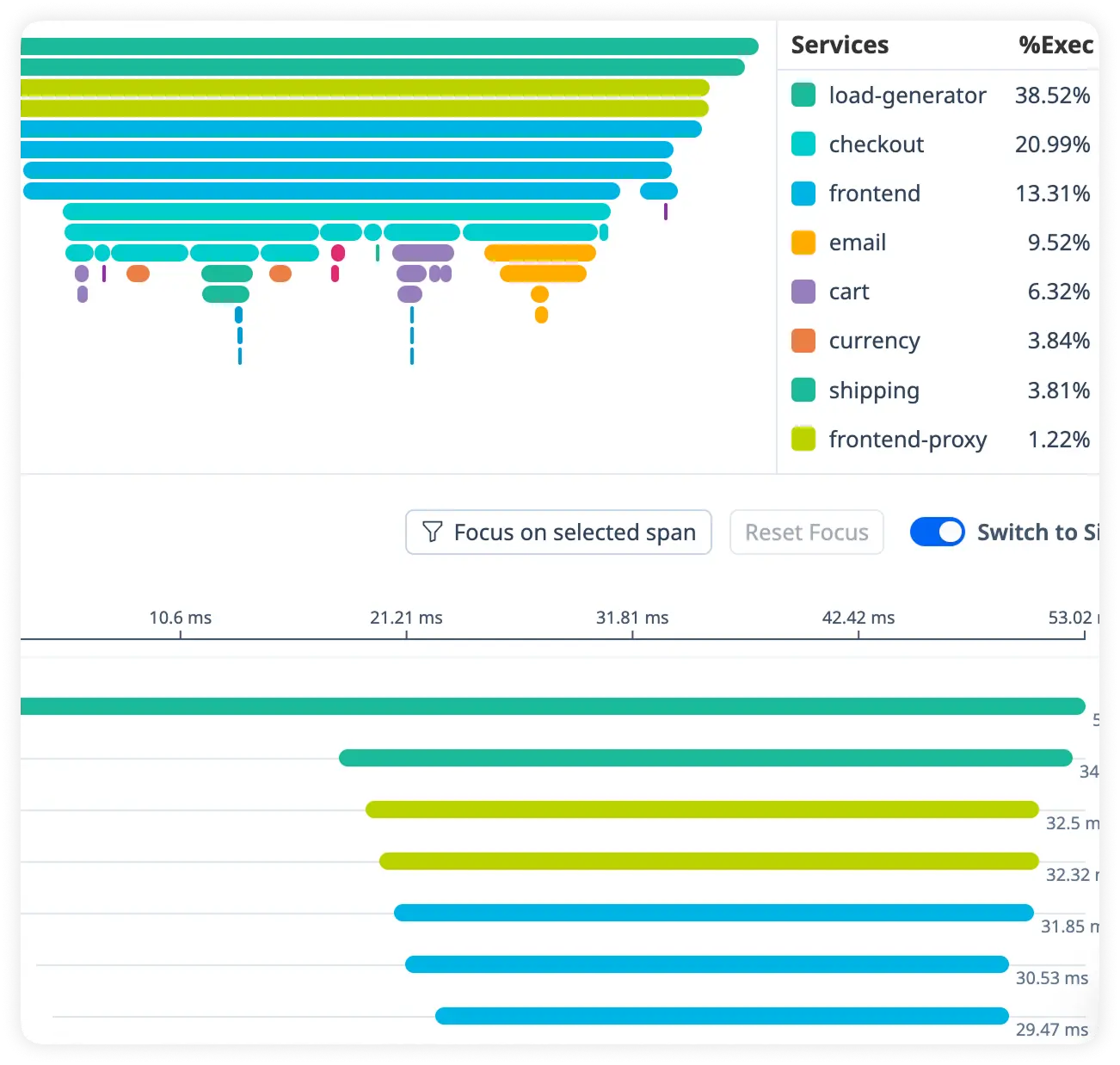
Detailed Request Timing Breakdown
See exactly where time is spent across controllers, services, and database operations for every request. Quickly identify slow execution paths affecting response times.
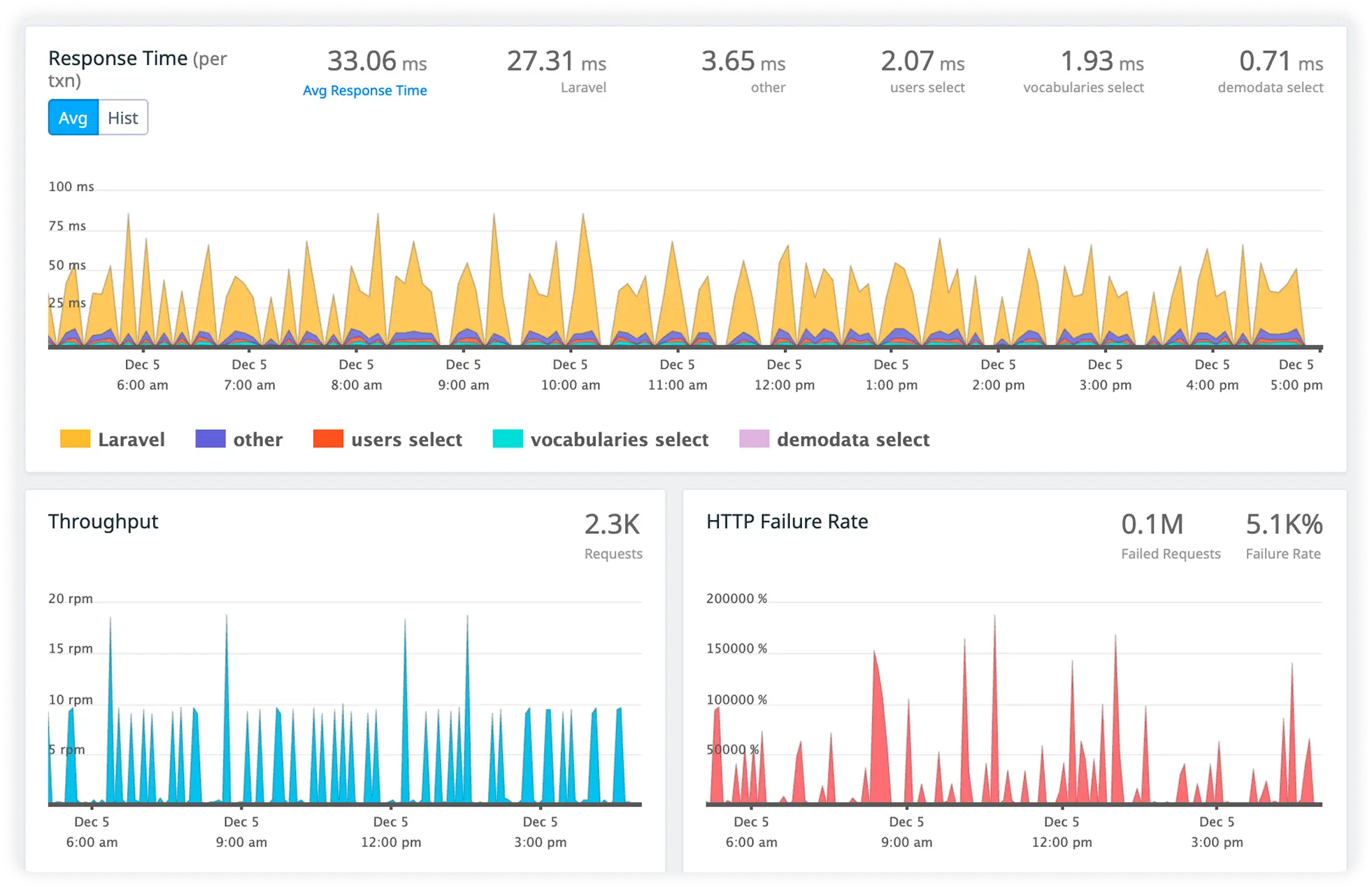
Actionable Query Impact Insight
Monitor database query performance and resource usage in real time. Eliminate inefficient queries that slow application behavior.
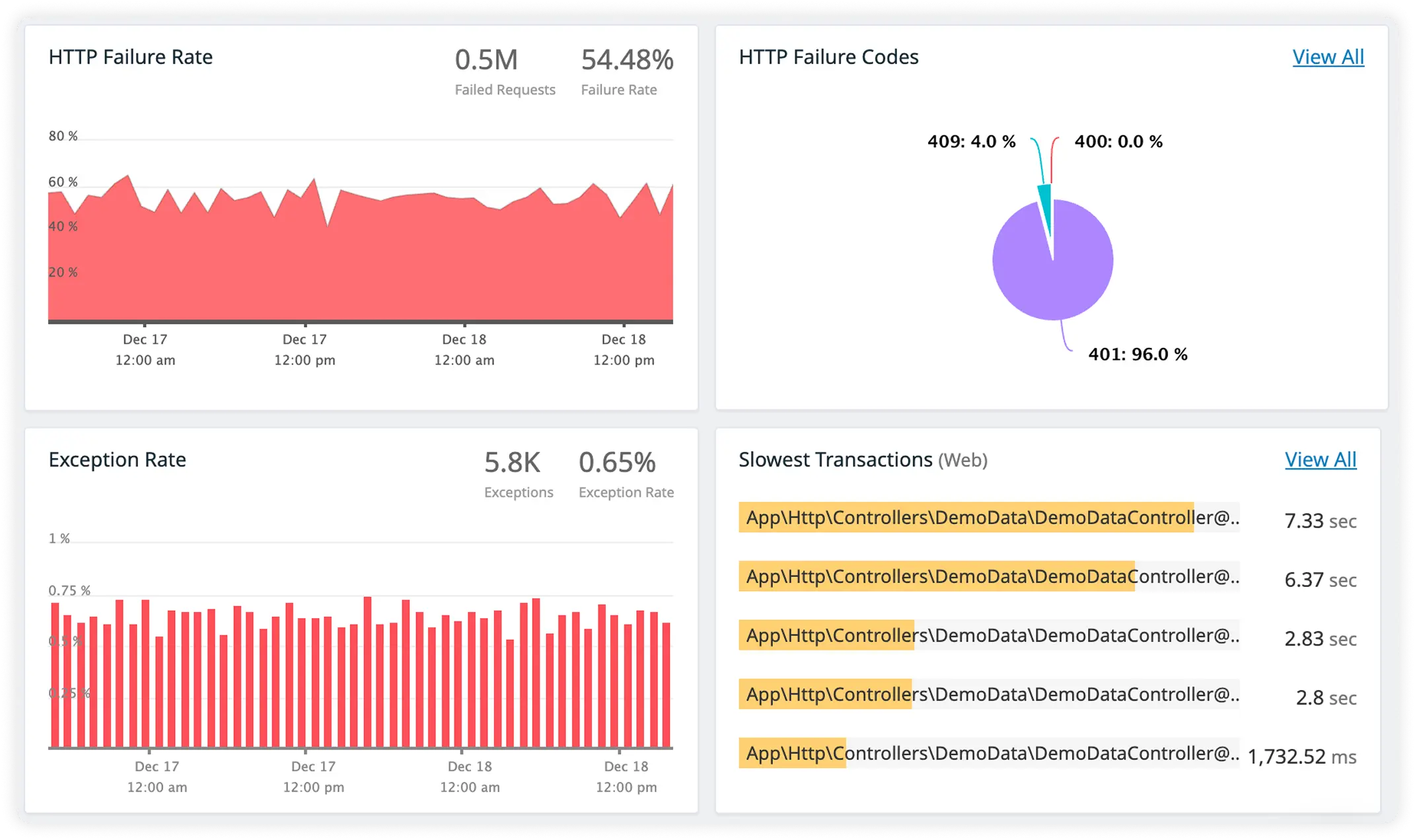
Track External Dependency Delays
Measure response times for third-party APIs and external services your CakePHP apps rely on. Detect slowdowns and failures before they impact users.
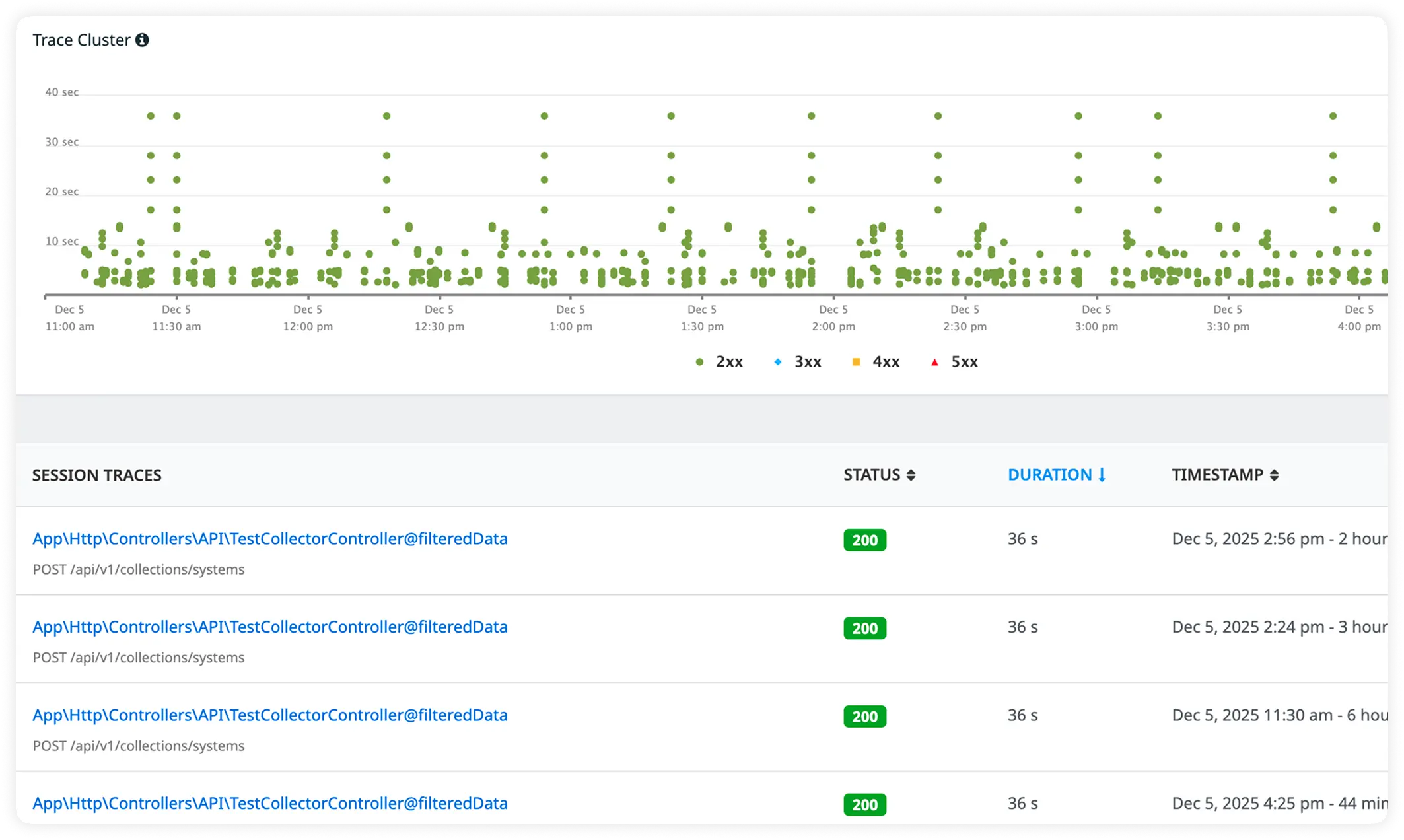
Rich Error Context with Trace-Linked Logs
Capture detailed error information alongside correlated logs for every request. Debug faster with complete visibility across traces, logs, and performance data.
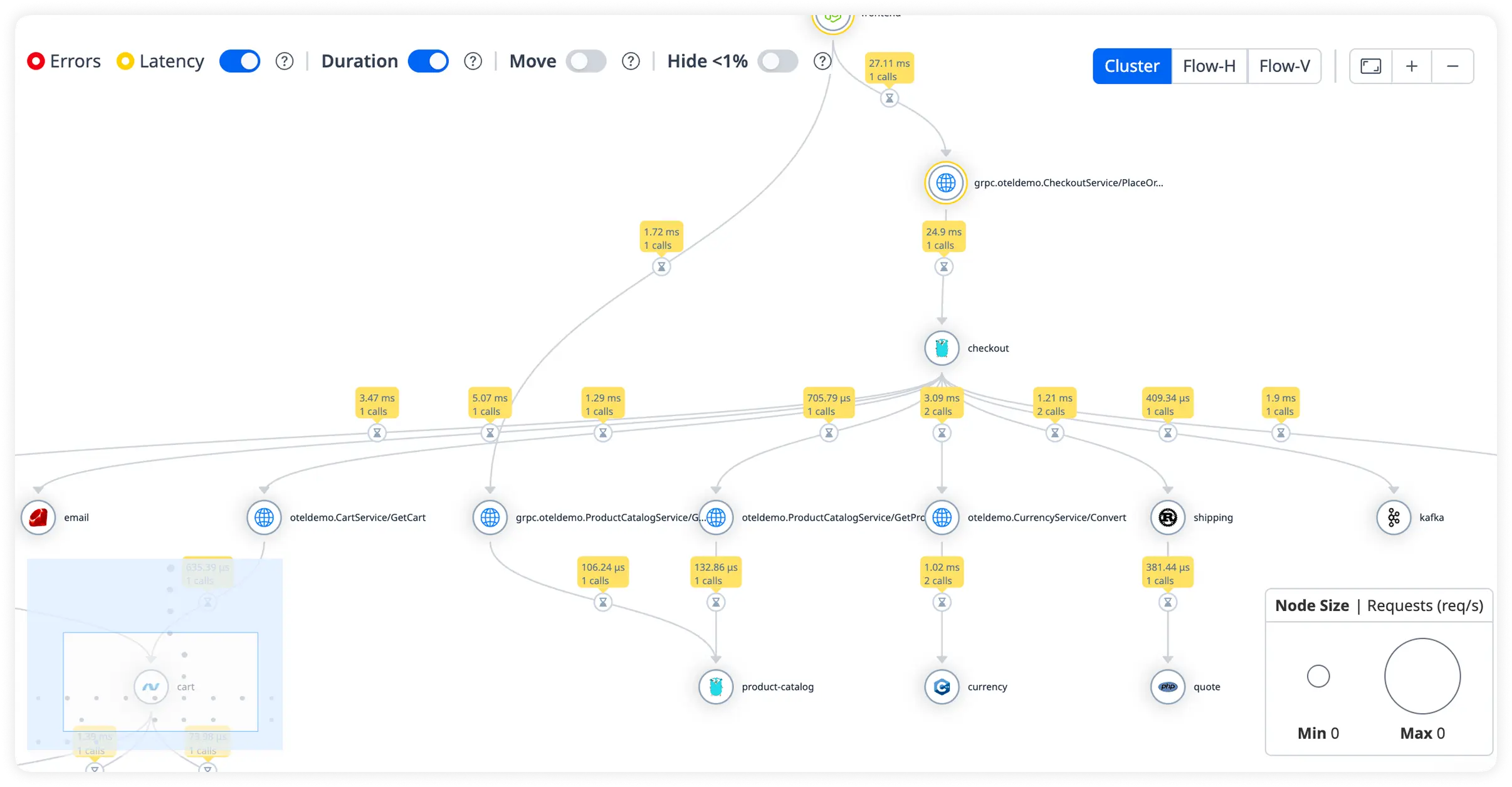
Why Teams Choose Request-Centric Observability for CakePHP?
CakePHP teams choose Atatus to examine real production requests exactly as they executed, without relying on assumptions or reconstructed timelines.
Request-Level Analysis
Teams inspect individual production requests that experienced latency or errors. This allows engineers to focus on what actually happened in a specific execution rather than guessing from aggregated data.
Observed Runtime Behavior
Debugging is grounded in runtime behavior captured during live traffic. Engineers rely on what the application executed in production, not on expected control flow or local test assumptions.
Production Execution Evidence
Execution data is collected under real user load, real datasets, and real concurrency conditions. This exposes issues that never appear in staging or synthetic testing.
Production Execution Reality
Analysis stays grounded in real traffic patterns, real data, and real execution conditions that cannot be reproduced reliably outside production.
Error State Visibility
Errors are reviewed with the execution state present at the moment the failure occurred. This helps teams understand what the request was doing when it broke, not just where it failed.
Comparable Request Review
Engineers compare failing requests with successful ones using observed execution behavior. Differences are identified based on real production evidence, not code inspection alone.
Repeatable Issue Inspection
When the same issue occurs multiple times, teams can review similar request executions consistently. This avoids fragile attempts to recreate production conditions locally.
Low Adoption Overhead
Teams gain production visibility without changing how CakePHP applications are structured or deployed. Existing controllers, models, and views remain untouched.
Production-Grounded Actions
Release, rollback, and mitigation decisions are made using observed production execution. Actions are based on evidence from live requests, not intuition or incomplete information.
Unified Observability for Every Engineering Team
Atatus adapts to how engineering teams work across development, operations, and reliability.
Developers
Trace requests, debug errors, and identify performance issues at the code level with clear context.
DevOps
Track deployments, monitor infrastructure impact, and understand how releases affect application stability.
Release Engineer
Measure service health, latency, and error rates to maintain reliability and reduce production risk.